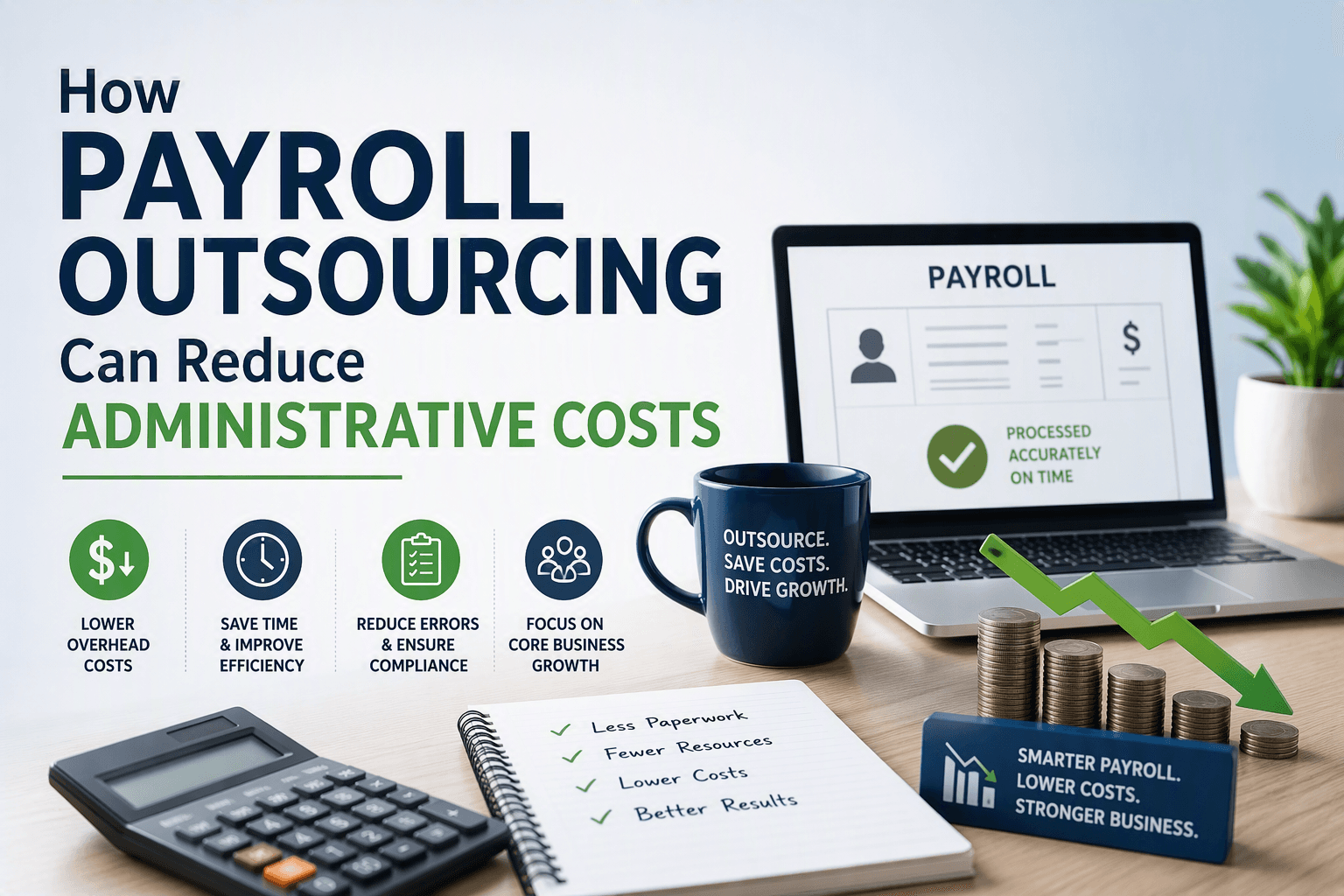
Running payroll in-house sounds straightforward until you factor in the hours spent on data entry, tax filings, compliance checks, and the inevitable corrections. For many Ohio employers, those hours add up to a significant hidden expense — one that often goes unexamined until the workload becomes unmanageable. Payroll outsourcing offers a practical way to bring those costs under control while freeing your team to focus on work that actually moves the business forward.
The Real Cost of In-House Payroll
Most employers think of payroll costs in terms of software subscriptions or a payroll clerk's salary. The actual picture is broader. Consider everything that touches the payroll process each pay period:
Staff time spent gathering hours, reviewing timesheets, and entering data
Time dedicated to calculating withholdings, garnishments, and deductions
Preparing and filing federal, state, and local tax deposits on schedule
Responding to employee questions about paychecks, W-2s, and direct deposit
Correcting errors — which often require amended filings and can trigger penalties
When you assign an hourly value to each of these tasks, the true cost of keeping payroll in-house frequently surprises employers. That cost climbs higher whenever an employee leaves and institutional knowledge walks out the door with them.
Where Outsourcing Reduces Overhead
A professional payroll provider handles the repetitive, time-sensitive work your staff currently absorbs. The administrative savings typically show up in a few key areas.
Labor and Time Savings
Outsourcing shifts processing work away from your employees, letting them redirect hours toward higher-value responsibilities. Even in smaller organizations, recapturing several hours per pay period per staff member adds up meaningfully over the course of a year.
Penalty and Error Reduction
Ohio employers are responsible for accurate, on-time tax deposits at the federal, state, and local levels. Mistakes — even unintentional ones — can result in penalties and interest. Payroll providers specialize in staying current with changing tax rules and filing deadlines, reducing the likelihood that a simple miscalculation turns into a costly notice from the IRS or the Ohio Department of Taxation.
Technology Without the Investment
Maintaining reliable payroll software means licensing fees, updates, and IT support. Outsourcing gives your business access to current technology platforms — often including employee self-service portals and integrated time-tracking — without carrying those costs internally.
Compliance Is an Ongoing Expense You Can Manage
Ohio's payroll compliance environment includes federal requirements, state withholding rules, and industry-specific considerations. Keeping up with changes requires ongoing attention that most HR teams or business owners struggle to prioritize alongside their other responsibilities. A payroll partner monitors regulatory changes as part of their core service, which means your business benefits from that expertise without hiring a dedicated compliance specialist.
Is Outsourcing the Right Move for Your Business?
Payroll outsourcing tends to deliver the clearest return for employers who meet one or more of the following descriptions:
HR staff are regularly pulled into payroll tasks at the expense of recruiting, onboarding, or employee relations
The business has experienced payroll errors or late filings in the past
The company is growing and current processes aren't built to scale
A key employee handles payroll alone, creating a single point of failure
If any of these situations feel familiar, the administrative cost of staying in-house is likely higher than the cost of making a change.
Surety HR works with Ohio employers of all sizes to simplify payroll and reduce the overhead that comes with managing it internally. If you'd like to talk through what outsourcing could look like for your organization, reach out to our team — we're glad to help you find an approach that fits your business.
Find out how much you could save.
A SuretyHR consultant will review your HR, payroll, and benefits needs at no cost or obligation.